By Teresa Hansen
Editor-in-Chief
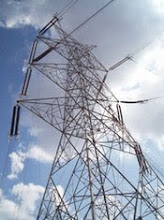
I recently attended a conference in Washington, D.C. called TransForum East. It was organized by PennWell through one of its latest acquisitions, TransmissionHub, a research, analysis and news portal. As the name implies, the conference deals with electricity transmission, but this year the low price of natural gas and how it is affecting the electric power sector was a hot topic.
Kent Knutson, TransmissionHub's director of data strategy and content, said transmission investment in the U.S. is growing. During the first nine months of 2013, nearly $6.7 billion was invested in transmission projects, up considerably from the $5.6 billion spent in all of last year.
Knutson expects continued growth through 2015. Most activity is in 345 kV projects being driven by Texas competitive renewable energy zone (CREZ) and Western Interconnection projects. A fair amount of activity is also occurring in the Midwest and PJM independent system operators and the Northeast Power Coordinating Council territories.
As in other areas of the electric power industry, uncertainty is prevalent in the transmission sector. Changing technologies, cyber and physical security threats, regulations, siting issues and customer expectations are to blame for much of that uncertainty.
Cheap gas becomes a transmission driver
The changing power generation mix, however, is perhaps the biggest culprit. Electricity generated by wind and solar energy is rapidly being added into the mix. Coal plants are being retired because they can't meet EPA regulations. Cheap natural gas is resulting in a build-out of new gas-fired combined-cycle generation to replace retired coal plants and back up intermittent renewable energy.
New transmission is needed to connect renewable energy with load centers, plus load forecasting and balancing technologies must be added to manage this intermittent supply. New gas-fired generation being built in areas with inadequate transmission capacity is also driving new transmission construction. In addition, in some areas, especially the northeast, gas-fired plants are being built in areas with constrained gas pipeline capacity.
Transmission operators are concerned that these plants, which they count on for supply, could fall off the grid if pipeline capacity is used for other demands such as home heating. Because many new gas-fired plants are owned by independent investors and merchant generators, differing opinions and uncertainty exist about who will pay for needed electric transmission infrastructure as well as gas pipeline infrastructure.
Will FERC address uncertainty?
Many look to the Federal Energy Regulatory Commission (FERC) for clarity on these issues. FERC Commissioner Philip Moeller, who spoke at TransForum, acknowledged that transmission owners and operators face many hurdles. Moeller said FERC knows the lack of a federal policy allowing transmission owners to build across state lines is a problem, but he doesn't foresee a federal law changing siting issues for interstate transmission lines in the near term.
He also said that uncertainty surrounding return on equity (ROE) exists. He said FERC has created much of this uncertainty, but his only words of encouragement came when he said ROE is a "live" issue for FERC.
Low- to moderate-priced natural gas, which Moeller said will stick around for some time, will continue to drive gas-fired generation and transmission growth. Better coordination between gas suppliers and electricity generators must be addressed, he said.
Longer-term issues, he said, such as who pays for the gas infrastructure to secure supply to generators, are more vexing. A big part of the solution involves the two industries learning more about how the other one works, he said.
Even with the uncertainty, Moeller said he is "bullish" on transmission and "it's an exciting time" in the transmission industry. "If the issues were easy, someone else would have already solved them. You need to stay active and involved," he said.
Showing posts with label renewable energy. Show all posts
Showing posts with label renewable energy. Show all posts
Wednesday, November 6, 2013

Tuesday, August 6, 2013
U.S. wind takes off
The U.S. wind energy industry is continuing to pay off for those who have invested in it, both in terms of power generated as well as manufacturing and jobs. This is according to a pair of studies the DOE has made public.
More than 13 GW of wind energy capacity was added onto the U.S. grid last year. That's double what was added the year before. To boot, more of these wind turbines and their parts (towers, nacelles, blades, gearboxes, etc.) are being built in the U.S.
The DOE estimated that 72 percent of the wind turbine equipment used in the U.S. was manufactured domestically — up from about 25 percent in 2007.
Crucially, the report also reveals that the American wind energy sector now employs some 80,000 people who work at all levels — from building wind turbine blades to installing nacelles or performing needed wind farm maintenance.
Other factoids from the report that I thought were worth noting:
There was a time to wonder whether wind power could make it as a viable power generation technology. For the U.S., that time has passed. Now the question has become: What is the best way to integrate wind energy onto the power grid without causing too many disturbances due to intermittancy.
If you want to see how wind farms have spread across the U.S. over the years, the DOE has an interactive map at their website. Click here to see it.
More than 13 GW of wind energy capacity was added onto the U.S. grid last year. That's double what was added the year before. To boot, more of these wind turbines and their parts (towers, nacelles, blades, gearboxes, etc.) are being built in the U.S.
The DOE estimated that 72 percent of the wind turbine equipment used in the U.S. was manufactured domestically — up from about 25 percent in 2007.
Crucially, the report also reveals that the American wind energy sector now employs some 80,000 people who work at all levels — from building wind turbine blades to installing nacelles or performing needed wind farm maintenance.
Other factoids from the report that I thought were worth noting:
- Texas added 1,300 MW of new wind capacity last year, beating out California, an early adopter of the technology and home to some of the nation's oldest wind farms
- The country's cumulative installed wind capacity has jumped 22-fold since the turn of the century
- There are three states that get more than 20 percent of their power from the winds: Iowa, South Dakota and Kansas
- The price of a kilowatt hour of wind energy ran about 4 cents from 2011 to 2012
- There are now 69,000 distributed wind turbines operating in all 50 states
There was a time to wonder whether wind power could make it as a viable power generation technology. For the U.S., that time has passed. Now the question has become: What is the best way to integrate wind energy onto the power grid without causing too many disturbances due to intermittancy.
If you want to see how wind farms have spread across the U.S. over the years, the DOE has an interactive map at their website. Click here to see it.
Wednesday, June 19, 2013
Speeding up solar power
Many renewable energy projects, once a site is found and construction begins, deal with a lot of land, a lot of labor and a lot of building materials and equipment. Imagine an entire range of rolling hills that slowly becomes a wind farm, or an empty expanse of desert badlands gradually filling up with row upon row of 10,000 or more photovoltaic panels. The finished product can be a majestic sight, sure, but before the control room fires up and power starts flowing onto the grid, there's still the matter of all that construction that has to happen first.
Companies that can cost-effectively speed up this process while still producing a reliable and long-lasting product could probably clean up with the renewable energy market performing as strongly as it is right now.
A colleague of mine, James Montgomery of RenewableEnergyWorld.com introduced me to Alion Energy (pronounced like the words "a" and "lion"). This company's process builds solar photovoltaic panels into a sort of ramp structure that uses fewer materials to put together than other methods, and the entire process is done with robots.
And why not use robots? Similar processes using robots are already used to lay traintracks or build sidewalks. Alion's president and CEO Mark Kingsley is a veteran of ABB's robotics unit, Trina.

During construction, the "Rover" installation robot (seen above, courtesy to Alion Energy) travels along a concrete railing built for the project that also serves as the mounting for the solar panels. To begin with, Rover is loaded up with solar panels. Rover fixes the solar panel legs into the concrete railing with a high-strength, high-durability epoxy that is used in bridge construction. The panes and their preattached mountings come next, attached to the legs. With that, the robot moves on to the next solar panel.
One of the big advantages to this approach is using fewer materials. The concrete that the railings are shaped out of is cheap and can be acquired on a local basis. There's no large panes of glass to worry about transporting, unbroken, to the site. No bulky metal frames or fasteners are needed.
Labor costs, similarly, can be reduced this way. No trenches have to be dug, no nuts and bolts need tightening. Plus, the robots don't get fatigued by repetitive work in areas where the sun beats down with a lot of heat, either.
As far as scalability goes, Alion told RenewableEnergyWorld.com that the benefits of the approach only increase when applied to bigger solar projects. Essentially, the bigger the project, the more money can be saved. The railing system can be used in areas with high winds or prone to storms, and in rocky areas or urban brownfields, according to the company.

With Rover's job done and the solar power feeding onto the power grid, another robot takes over to perform maintenance duties. A smaller robot named "Spot" (above) performs automatic cleaning of the mounted solar panels so dust and dirt do not accumulate and cause a loss of generation efficiency. Spot has his own solar-powered battery and his own solar panel, and when he isn't working, he "lives" near one end of of the concrete rail system before sliding across the panels to perform his duties. Spot can also use a hedge-clipping attachment for vegetation management, where and when it is needed.
Automated, efficient construction could potentially mean a lot for the renewable energy sector when and where it can be used. Increasing a generation technology's speed-to-market can only make it more attractive to the prospective investor — the people without which a project can't reach fruition.
Tuesday, April 30, 2013
Verizon to invest in solar power, fuel cells
The energy industry and the communications industry are getting quite cozy these days, and no wonder. Information technology and telecom companies like Google, Apple, Sprint and Microsoft (just to name a few) need innovative approaches to keep the power flowing to their ever-expanding networks of data centers, call centers, corporate offices and other properties.
Just this week, telecom giant Verizon Communications announced its plans to invest as much as $100 million in natural gas fuel cells and solar energy capacity in 19 facilities in seven states.
According to Reuters, SunPower Corp. will provide rooftop and ground-based solar arrays, some of which will be mounted onto parking facilities. Natural gas will power the fuel cells, which will be provided by Oregon-based ClearEdge Power.
Verizon will put these energy improvements into place at office space, call centers and data centers in Arizona, California, Maryland, Massachusetts, New Jersey and North Carolina.
Officials from Verizon are insisting that these green energy sources are meant to boost system reliability — not merely to boost the company's environmental profile. The point out that fuel cells already in place at a switching station in Garden City, Long Island, N.Y. stayed active throughout Superstorm Sandy even when the local grid was knocked out of service.
The technology will be able to generate 8 million kilowatt hours of electricity every year — enough to power about 6,000 homes.
Verizon already uses fuel cells and solar energy, but this is the company's largest investment on such technology so far, officials said.
Likewise, Apple is building solar energy and fuel cell capacity to serve its data centers in North Carolina. Apple has told news sources that it wants to power its data centers entirely with clean energy.
Google is spending about $1 billion on clean or renewable energy for its energy needs and recently floated the idea of special renewable energy rates for large commercial and industrial firms whose customers would prefer them to use cleaner power.
Just this week, telecom giant Verizon Communications announced its plans to invest as much as $100 million in natural gas fuel cells and solar energy capacity in 19 facilities in seven states.
According to Reuters, SunPower Corp. will provide rooftop and ground-based solar arrays, some of which will be mounted onto parking facilities. Natural gas will power the fuel cells, which will be provided by Oregon-based ClearEdge Power.
Verizon will put these energy improvements into place at office space, call centers and data centers in Arizona, California, Maryland, Massachusetts, New Jersey and North Carolina.
Officials from Verizon are insisting that these green energy sources are meant to boost system reliability — not merely to boost the company's environmental profile. The point out that fuel cells already in place at a switching station in Garden City, Long Island, N.Y. stayed active throughout Superstorm Sandy even when the local grid was knocked out of service.
The technology will be able to generate 8 million kilowatt hours of electricity every year — enough to power about 6,000 homes.
Verizon already uses fuel cells and solar energy, but this is the company's largest investment on such technology so far, officials said.
Likewise, Apple is building solar energy and fuel cell capacity to serve its data centers in North Carolina. Apple has told news sources that it wants to power its data centers entirely with clean energy.
Google is spending about $1 billion on clean or renewable energy for its energy needs and recently floated the idea of special renewable energy rates for large commercial and industrial firms whose customers would prefer them to use cleaner power.
Wednesday, April 10, 2013
What is in Obama's budget for energy?
President Barack Obama's running mate Joe Biden is fond of saying
"show me your budget, and I'll show you where your priorities are."
Media outlets have already begun picking through the wording of the
president's $3.78 trillion 2014 budget to see what is being prioritized
at a time when seemingly every cent of spending results in overheated
press conferences on Capitol Hill and the threat of some catastrophic
government shut-down.
When you look at just one area of the budget, massive at it is, it gets a little easier. So let's see what the budget has to say about energy policy. Here are some highlights:
The budget provides $28.4 billion in discretionary funds for the Department of Energy (DOE) — an 8 percent increase about the 2012 enacted level. This is meant to position the U.S. as a leader in clean energy while boosting energy security.
The budget proposes for $615 million to promote wind, solar, geothermal and hydrokinetic energy.
The document calls for a "Race to the Top" program to promote grid modernization and energy efficiency, which is something Obama mentioned in his most recent State of the Union. The awards would support state-level policies that increase energy productivity and modernize the grid — with the goal of cutting energy waste in half over the next two decades.
Also in the budget is more than $5 billion — 5.7 percent more than 2012 — for energy sector research and development. The need to continue R&D even in difficult economic times is something the present has said repeatedly, so finding it in the budget is perhaps not unexpected.
About $153 million in research and development funding is proposed for grid modernization, cybersecurity and energy control systems. Advances in the technologies and tools for improved clean energy integration onto the grid through an $80 million coordinated effort within the Office of Energy Efficiency and Renewable Energy.
Part of this tranche would include $20 million for a new Electricity Systems Hub, which would explore the interface between transmission and distribution systems in the smart grid context. The budget would support hardware and modeling R&D to improve the integration of renewable energy into the distribution grid, distributed generation, electric vehicles and residential/commercial buildings loads behind the meter.
About $575 million will be invested in alternative vehicle technologies, according to this budget — presumably this goes further than electric vehicles and charging stations, but likely includes both. There is also mention of a $2 billion of proposed mandatory funding for an Energy Security Trust (also mentioned in the State of the Union), intended to transition cars, trucks and other vehicles off of oil (biofuels, hydrogen, natural gas and electricity are specifically mentioned).
The budget provides $735 million for the Office of Nuclear Energy, which includes funding for small modular reactors. There is also $379 million for the Advanced Research Projects Agency — Energy, or ARPA-E, which is the agency that investigates "long game" technologies.
Carbon capture and storage is mentioned in the budget breakdown, with $421 million for the Fossil Energy Research and Development program, including an investment of $266 million in fossil energy R&D primarily dedicated to carbon capture.
The budget eliminates $4 billion yearly in "unnecessary subsidies to the oil, gas and coal industries;" restructuring the plutonium disposition program; cutting low performing programs; and using existing facilities and infrastructure.
In another energy efficiency measure, the budget calls for funding of the president's Better Buildings Initiative, which is meant to help consumers and businesses save money through energy efficiency.
There is $16 million — up from $10 million — in enhanced energy infrastructure security and energy recovery capabilities.
Separate from the DOE funding, the Environmental Protection Agency budget is about $296 million lower than the 2012 level, with the president's budget allocating the EPA $8.2 billion.
When you look at just one area of the budget, massive at it is, it gets a little easier. So let's see what the budget has to say about energy policy. Here are some highlights:
The budget provides $28.4 billion in discretionary funds for the Department of Energy (DOE) — an 8 percent increase about the 2012 enacted level. This is meant to position the U.S. as a leader in clean energy while boosting energy security.
The budget proposes for $615 million to promote wind, solar, geothermal and hydrokinetic energy.
The document calls for a "Race to the Top" program to promote grid modernization and energy efficiency, which is something Obama mentioned in his most recent State of the Union. The awards would support state-level policies that increase energy productivity and modernize the grid — with the goal of cutting energy waste in half over the next two decades.
Also in the budget is more than $5 billion — 5.7 percent more than 2012 — for energy sector research and development. The need to continue R&D even in difficult economic times is something the present has said repeatedly, so finding it in the budget is perhaps not unexpected.
About $153 million in research and development funding is proposed for grid modernization, cybersecurity and energy control systems. Advances in the technologies and tools for improved clean energy integration onto the grid through an $80 million coordinated effort within the Office of Energy Efficiency and Renewable Energy.
Part of this tranche would include $20 million for a new Electricity Systems Hub, which would explore the interface between transmission and distribution systems in the smart grid context. The budget would support hardware and modeling R&D to improve the integration of renewable energy into the distribution grid, distributed generation, electric vehicles and residential/commercial buildings loads behind the meter.
About $575 million will be invested in alternative vehicle technologies, according to this budget — presumably this goes further than electric vehicles and charging stations, but likely includes both. There is also mention of a $2 billion of proposed mandatory funding for an Energy Security Trust (also mentioned in the State of the Union), intended to transition cars, trucks and other vehicles off of oil (biofuels, hydrogen, natural gas and electricity are specifically mentioned).
The budget provides $735 million for the Office of Nuclear Energy, which includes funding for small modular reactors. There is also $379 million for the Advanced Research Projects Agency — Energy, or ARPA-E, which is the agency that investigates "long game" technologies.
Carbon capture and storage is mentioned in the budget breakdown, with $421 million for the Fossil Energy Research and Development program, including an investment of $266 million in fossil energy R&D primarily dedicated to carbon capture.
The budget eliminates $4 billion yearly in "unnecessary subsidies to the oil, gas and coal industries;" restructuring the plutonium disposition program; cutting low performing programs; and using existing facilities and infrastructure.
In another energy efficiency measure, the budget calls for funding of the president's Better Buildings Initiative, which is meant to help consumers and businesses save money through energy efficiency.
There is $16 million — up from $10 million — in enhanced energy infrastructure security and energy recovery capabilities.
Separate from the DOE funding, the Environmental Protection Agency budget is about $296 million lower than the 2012 level, with the president's budget allocating the EPA $8.2 billion.
Tuesday, March 5, 2013
10 facts about Obama's new head of the DOE
After a lot of speculation, the official announcement has been made. Ernest Moniz will be President Barack Obama's main man at the Department of Energy pending approval by the Senate. Here are 10 things worth knowing about Moniz, who will run the DOE during Obama's second term.
1. Moniz is a nuclear physicist by training, and an advocate for the safe use of nuclear power as an energy source. In the aftermath of the Fukushima nuclear disaster, Moniz said it would be a mistake not to pursue a nuclear friendly energy policy in the U.S.
2. Obama is the second president Moniz has worked for. Moniz was President Bill Clinton's undersecretary of the DOE from 1997 to 2001. He also served as an associate director for science in Clinton's Office of Science and Technology Policy.
3. Moniz has a "wait and see" approach to new techniques in natural gas extraction, like "frakking." He says the risks of such techniques are challenging, but manageable. He has also referred to natural gas as a "bridge" fuel that can take the country to a future low-carbon energy portfolio (i.e. Away from coal).
4. Among the issues Moniz has handled at the DOE are: Oversight of science and energy policy, nuclear weapons proliferation and stockpile stewardship, nuclear fuel cycles (including waste disposal) and solar energy in a low-carbon world.
5. In a Washington Post story about carbon capture and storage, Moniz was quoted as saying in 2009 that there is no credible pathway to meeting greenhouse gas reduction targets without cutting carbon dioxide from existing coal-fired power plants.
6. As director of MIT's Energy Initiative, Moniz has some financial ties to the energy industry via the research group's $125 million in donations from the oil and gas industry since 2006, according to reports. Founding members of the organization include BP, Saudi Aramco and Shell.
7. Unlike his predecessor Steven Chu, Moniz will probably have less funding to work with. Chu's tenure at the DOE was marked by the early passage of the American Recovery and Reinvestment Act of 2009, which significantly expanded the department's operating budget.
8. Moniz's grandparents were immigrants to the U.S. who came from the Azores, an archipelago that is an autonomous region of Portugal. He grew up speaking some Portuguese.
9. Moniz serves in Chu's Blue Ribbon Commission on nuclear energy's future, which was tasked with finding new solutions for storing and disposing of nuclear waste. Moniz advocated transferring spent nuclear fuel from pools to dry casks.
10. On solar power, Moniz said he is "bullish," adding, "It just has so many features, including the fact that even though it's intermittent, at least it tends to be on when you want it." He adds, however, that fossil fuels like oil and gas will remain at the forefront of the world's energy picture for the foreseeable future.
1. Moniz is a nuclear physicist by training, and an advocate for the safe use of nuclear power as an energy source. In the aftermath of the Fukushima nuclear disaster, Moniz said it would be a mistake not to pursue a nuclear friendly energy policy in the U.S.
2. Obama is the second president Moniz has worked for. Moniz was President Bill Clinton's undersecretary of the DOE from 1997 to 2001. He also served as an associate director for science in Clinton's Office of Science and Technology Policy.
3. Moniz has a "wait and see" approach to new techniques in natural gas extraction, like "frakking." He says the risks of such techniques are challenging, but manageable. He has also referred to natural gas as a "bridge" fuel that can take the country to a future low-carbon energy portfolio (i.e. Away from coal).
4. Among the issues Moniz has handled at the DOE are: Oversight of science and energy policy, nuclear weapons proliferation and stockpile stewardship, nuclear fuel cycles (including waste disposal) and solar energy in a low-carbon world.
5. In a Washington Post story about carbon capture and storage, Moniz was quoted as saying in 2009 that there is no credible pathway to meeting greenhouse gas reduction targets without cutting carbon dioxide from existing coal-fired power plants.
6. As director of MIT's Energy Initiative, Moniz has some financial ties to the energy industry via the research group's $125 million in donations from the oil and gas industry since 2006, according to reports. Founding members of the organization include BP, Saudi Aramco and Shell.
7. Unlike his predecessor Steven Chu, Moniz will probably have less funding to work with. Chu's tenure at the DOE was marked by the early passage of the American Recovery and Reinvestment Act of 2009, which significantly expanded the department's operating budget.
8. Moniz's grandparents were immigrants to the U.S. who came from the Azores, an archipelago that is an autonomous region of Portugal. He grew up speaking some Portuguese.
9. Moniz serves in Chu's Blue Ribbon Commission on nuclear energy's future, which was tasked with finding new solutions for storing and disposing of nuclear waste. Moniz advocated transferring spent nuclear fuel from pools to dry casks.
10. On solar power, Moniz said he is "bullish," adding, "It just has so many features, including the fact that even though it's intermittent, at least it tends to be on when you want it." He adds, however, that fossil fuels like oil and gas will remain at the forefront of the world's energy picture for the foreseeable future.
Thursday, February 21, 2013
Our changing generation mix
As an online editor, I handle stories every day of new wind farms going up or some local dignitaries pulling the switch for a new solar energy project. You read stories that use phrases like "dash for gas" or "war on coal," but absorbing stuff like this day by day has a way of numbing you to the big picture.
The big picture is that things are changing in a big way. I realized recently that the way I think about the generation mix in the U.S. is seriously out of date. I did a mental check. "OK, so natural gas is about 25 percent, nuclear is a steady 20 percent, coal is like half at least, right?"
Wrong.
New data from FERC shows the picture is changing drastically. Especially natural gas, coal and renewables. Wind and solar — which used to be relegated to a tiny sliver of the pie, or else an asterisk or an "other" — are contributing more than 5 percent of the total generation mix of the country.
Even more surprising perhaps is coal, which has fallen to less than 30 percent of the pie. What's replacing it, largely, is natural gas, which is now 42.37 percent of the mix.
Certainly I knew that coal-fired power plants were retiring. I hadn't missed those announcements. Indeed, sometimes it felt like the only coal stories I ever filed were those concerning coal power plants shutting down or switching to natural gas.
Nuclear, known for its reliability, is sticking at a steady 20 percent. However, given the potential of small modular reactors and the NRC granting new licenses, even just a few new projects going online could change that figure in the future.
Even unexpected generation technologies, like geothermal energy, seems to be showing some growth with more than 147 MW of new capacity being brought online last year — an increase of 5 percent from 2011.
I first started to notice this when FERC released a recap of the power generation that came online in 2012. Half of that new generation had been renewable energy. Some analysts I spoke to at the time considered this a fluke. They said there was no way that this could sustain itself. But FERC keeps reporting the data, and if anything the numbers look like this trend is speeding up. Coal is out, natural gas and renewables are in.
Things are changing in statistically significant ways. When you watch it every day, like energy experts tend to do, sometimes you can lose track of just how fast it's moving.
The big picture is that things are changing in a big way. I realized recently that the way I think about the generation mix in the U.S. is seriously out of date. I did a mental check. "OK, so natural gas is about 25 percent, nuclear is a steady 20 percent, coal is like half at least, right?"
Wrong.
New data from FERC shows the picture is changing drastically. Especially natural gas, coal and renewables. Wind and solar — which used to be relegated to a tiny sliver of the pie, or else an asterisk or an "other" — are contributing more than 5 percent of the total generation mix of the country.
Even more surprising perhaps is coal, which has fallen to less than 30 percent of the pie. What's replacing it, largely, is natural gas, which is now 42.37 percent of the mix.
Certainly I knew that coal-fired power plants were retiring. I hadn't missed those announcements. Indeed, sometimes it felt like the only coal stories I ever filed were those concerning coal power plants shutting down or switching to natural gas.
Nuclear, known for its reliability, is sticking at a steady 20 percent. However, given the potential of small modular reactors and the NRC granting new licenses, even just a few new projects going online could change that figure in the future.
Even unexpected generation technologies, like geothermal energy, seems to be showing some growth with more than 147 MW of new capacity being brought online last year — an increase of 5 percent from 2011.
I first started to notice this when FERC released a recap of the power generation that came online in 2012. Half of that new generation had been renewable energy. Some analysts I spoke to at the time considered this a fluke. They said there was no way that this could sustain itself. But FERC keeps reporting the data, and if anything the numbers look like this trend is speeding up. Coal is out, natural gas and renewables are in.
Things are changing in statistically significant ways. When you watch it every day, like energy experts tend to do, sometimes you can lose track of just how fast it's moving.
Monday, December 17, 2012
2013 trends for the power industry
Even if the Mayans are wrong about the world ending, there isn't much left of 2012. So before we all rush off to relatives' houses or office holiday parties, let's take some time to consider the year ahead and what it might hold for the electric utility industry.
I had the opportunity recently to ask a few quick questions to Andre Begosso, managing director of Accenture's Utilities North America strategy practice. Thanks to Andre's expertise, we can flesh out what might happen in the coming weeks and months.
Trend No. 1: The "Dash for Gas" will continue, but don't count coal out
This year, hydraulic fracking and other developments in fossil fuel extraction have tipped the scales in favor of natural gas, thus leading power companies to exploit the record low prices of natural gas-fired generation. Andre said he expects this trend to continue into 2013.
"The price of gas will continue to fluctuate and there is a reason for that," he said. "Price is driven by marginal demand, which in turn is driven mostly by the power generation sector."
Along with the Dash for Gas, another phrase that gained notoriety was the "War on Coal." Energy lobbyists and politicians from coal-producing countries have been among those who claim that the president, the EPA and Congress have it in for coal and are putting the industry at risk deliberately. For his part though, Andre said he doesn't buy this hype.
"The price of gas is the single biggest pressure on the coal sector," he said. "Worse than any regulation or legislation from the government."
Regardless of why coal is feeling the pinch, though, there will always be a need for the baseload power it provides, he said.
"Even in the best case scenarios, we don't have enough gas to completely replace coal," he said. "Not only that, but we have some upcoming technologies currently under development that will allow us to use less coal. Coal will never go away."
Trend No. 2: Utilities get back to their bread and butter
With the American Recovery and Reinvestment Act funding spent and Congress not in a spending mood, I wondered where smart grid pilot programs and smart meter rollouts were going to get their funding. "The ratepayers," predicts Andre.
"In terms of the smart grid, there was a wave of construction, and now people are getting better at applying the technology. We will continue to learn more about how to apply it and how to keep the technology viable," he said.
Some of the more exotic technologies, such as energy storage, that have yet to be firmly proven in the field, utilities will take a rain check on — waiting to see how the technologies evolve over time.
"Utilities will continue to invest in their bread and butter technologies, like AMI. There is no reason for them not to invest in those," he said.
Trend No. 3: Has renewable energy deployment hit a peak?
FERC announced what I thought were some surprising numbers about renewable generation. Biomass, geothermal, solar, wind and hydropower, taken together, accounted for more than 41 percent of new generation put online in the U.S. in 2012.
This is thanks to a variety of factors, Andre said. Government support, in the form of the production tax credit, is one factor, as are state-level renewable portfolio standards.
"A lot of states have a looming 2015 deadline to meet their portfolio standards. Michigan is one of them. So they needed to meet those standards," he said.
In the absence of some major advance in energy storage, Andre said, he expects that renewable energy installation will probably start to slow as its shortcomings become more apparent to utilities and power companies.
"I would not expect these trends to continue because of the tremendous limitation that renewable technologies have. You cannot break the laws of physics or the laws of chemistry. The wind doesn't blow all the time and it never will, and the sun doesn't always shine and it never will," he said.
Trend No. 4: Energy back on the agenda
In my last blog post, I speculated about what it might take to get energy policy back on the agenda. When I asked about this, Andre said energy already is back on the agenda.
"Over the next 3 years, over $220 billion in new infrastructure will be built. But the problem with infrastructure is Rome wasn't built in a day. It takes time," he said.
This new wave of infrastructure upgrades will require a level of patience and understanding on the part of ratepayers that Andre wonders whether the average person is capable of. During Hurricane Sandy, for example, Con Edison had one of the most sophisticated electric grids available — yet it still failed, and people wonder why.
"As much as people hate outages, I don't think they understand them," he said. "If we had to build everything to withstand every possible disaster that could happen, it would never be built. It would be too expensive."
As far as utilities are concerned in this, Andre compares adopting new infrastructure improvements to how consumers usually approach the release of flashy new electronic gizmos.
"Remember when BluRay players were $400? Some people did pay for them, but the average Joe looked at it and said, 'Well, I can still watch movies on my old DVD player.' The infrastructure problem isn't much different from that."
Trend No 5: Growth opportunities will come from new start-ups
Maybe one of the biggest long-term changes the utility industry has ever seen is the reversal of the status quo of energy use. Energy companies are realizing they have a vested interest in getting customers to use less of their product, and this trend in turn is leading to a market for all kinds of consumer gadgets that will help people use less energy.
"The regulatory model of the U.S. was built around capital. The underlying assumption was we'd always have growth and we'd always consume more energy," he said. "What we may see in the future is that assumption might not be true... If you have a good understanding of the way the market works, you will be successful."
Small start-up companies that have a good idea and a way to market it might make a bigger splash in the energy sector with it comes to growth than the older, more established players.
"I just got a new smart thermostat called the Nest, and it's one of the coolest things I've ever bought," he said. "I installed it myself and I'm not a very handy person."
My thanks to Andre Begosso for his help with this post. Andre is a managing director in the Accenture management consulting practice and is focused on the resources operating group. He has more than seventeen years of experience in the utility and energy industries and advises clients in the alternative energy, power generation and oil and gas sectors. Andre has a B.S. in industrial engineering from the university of Sao Paulo, Brazil and an MBA from the Ross School of Business at the University of Michigan.
I had the opportunity recently to ask a few quick questions to Andre Begosso, managing director of Accenture's Utilities North America strategy practice. Thanks to Andre's expertise, we can flesh out what might happen in the coming weeks and months.
Trend No. 1: The "Dash for Gas" will continue, but don't count coal out
This year, hydraulic fracking and other developments in fossil fuel extraction have tipped the scales in favor of natural gas, thus leading power companies to exploit the record low prices of natural gas-fired generation. Andre said he expects this trend to continue into 2013.
"The price of gas will continue to fluctuate and there is a reason for that," he said. "Price is driven by marginal demand, which in turn is driven mostly by the power generation sector."
Along with the Dash for Gas, another phrase that gained notoriety was the "War on Coal." Energy lobbyists and politicians from coal-producing countries have been among those who claim that the president, the EPA and Congress have it in for coal and are putting the industry at risk deliberately. For his part though, Andre said he doesn't buy this hype.
"The price of gas is the single biggest pressure on the coal sector," he said. "Worse than any regulation or legislation from the government."
Regardless of why coal is feeling the pinch, though, there will always be a need for the baseload power it provides, he said.
"Even in the best case scenarios, we don't have enough gas to completely replace coal," he said. "Not only that, but we have some upcoming technologies currently under development that will allow us to use less coal. Coal will never go away."
Trend No. 2: Utilities get back to their bread and butter
With the American Recovery and Reinvestment Act funding spent and Congress not in a spending mood, I wondered where smart grid pilot programs and smart meter rollouts were going to get their funding. "The ratepayers," predicts Andre.
"In terms of the smart grid, there was a wave of construction, and now people are getting better at applying the technology. We will continue to learn more about how to apply it and how to keep the technology viable," he said.
Some of the more exotic technologies, such as energy storage, that have yet to be firmly proven in the field, utilities will take a rain check on — waiting to see how the technologies evolve over time.
"Utilities will continue to invest in their bread and butter technologies, like AMI. There is no reason for them not to invest in those," he said.
Trend No. 3: Has renewable energy deployment hit a peak?
FERC announced what I thought were some surprising numbers about renewable generation. Biomass, geothermal, solar, wind and hydropower, taken together, accounted for more than 41 percent of new generation put online in the U.S. in 2012.
This is thanks to a variety of factors, Andre said. Government support, in the form of the production tax credit, is one factor, as are state-level renewable portfolio standards.
"A lot of states have a looming 2015 deadline to meet their portfolio standards. Michigan is one of them. So they needed to meet those standards," he said.
In the absence of some major advance in energy storage, Andre said, he expects that renewable energy installation will probably start to slow as its shortcomings become more apparent to utilities and power companies.
"I would not expect these trends to continue because of the tremendous limitation that renewable technologies have. You cannot break the laws of physics or the laws of chemistry. The wind doesn't blow all the time and it never will, and the sun doesn't always shine and it never will," he said.
Trend No. 4: Energy back on the agenda
In my last blog post, I speculated about what it might take to get energy policy back on the agenda. When I asked about this, Andre said energy already is back on the agenda.
"Over the next 3 years, over $220 billion in new infrastructure will be built. But the problem with infrastructure is Rome wasn't built in a day. It takes time," he said.
This new wave of infrastructure upgrades will require a level of patience and understanding on the part of ratepayers that Andre wonders whether the average person is capable of. During Hurricane Sandy, for example, Con Edison had one of the most sophisticated electric grids available — yet it still failed, and people wonder why.
"As much as people hate outages, I don't think they understand them," he said. "If we had to build everything to withstand every possible disaster that could happen, it would never be built. It would be too expensive."
As far as utilities are concerned in this, Andre compares adopting new infrastructure improvements to how consumers usually approach the release of flashy new electronic gizmos.
"Remember when BluRay players were $400? Some people did pay for them, but the average Joe looked at it and said, 'Well, I can still watch movies on my old DVD player.' The infrastructure problem isn't much different from that."
Trend No 5: Growth opportunities will come from new start-ups
Maybe one of the biggest long-term changes the utility industry has ever seen is the reversal of the status quo of energy use. Energy companies are realizing they have a vested interest in getting customers to use less of their product, and this trend in turn is leading to a market for all kinds of consumer gadgets that will help people use less energy.
"The regulatory model of the U.S. was built around capital. The underlying assumption was we'd always have growth and we'd always consume more energy," he said. "What we may see in the future is that assumption might not be true... If you have a good understanding of the way the market works, you will be successful."
Small start-up companies that have a good idea and a way to market it might make a bigger splash in the energy sector with it comes to growth than the older, more established players.
"I just got a new smart thermostat called the Nest, and it's one of the coolest things I've ever bought," he said. "I installed it myself and I'm not a very handy person."
My thanks to Andre Begosso for his help with this post. Andre is a managing director in the Accenture management consulting practice and is focused on the resources operating group. He has more than seventeen years of experience in the utility and energy industries and advises clients in the alternative energy, power generation and oil and gas sectors. Andre has a B.S. in industrial engineering from the university of Sao Paulo, Brazil and an MBA from the Ross School of Business at the University of Michigan.
Thursday, October 18, 2012
Obama, Romney talk about energy, with energy
President Barack Obama and former Gov. Mitt Romney faced off at New York
State's Hofstra University October 17 with polls tightening and each
man eager to make their appeals to the country's remaining undecided
voters still available in the 2012 election's last few weeks.
While the first presidential debate saw little mention of energy as an issue — with Romney briefly mentioning government subsidies to green energy firms, like the bankrupt Solyndra — this debate had the candidates talking energy both frequently and early on in the proceedings.
Last night, a member of the town hall audience broached the topic of energy costs with a question about gas prices and plans to lower them. He said Obama's secretary of Energy, Stephen Chu, has said it is not the policy of the DOE to help lower gas prices, and asked Obama directly if he agreed. Obama responded to this question by talking about the production of oil, coal and natural gas.
The president said that while production of fossil fuels is up, the country must also invest in wind power, solar power and biofuels, as well as make vehicles that burn less gas.
On natural gas, Obama said, "We've got potentially 600,000 jobs and 100 years worth of energy right beneath our feet with natural gas. And we can do it in an environmentally friendly way, but we have got to continue to figure out how we can get efficient energy because that is how we can reduce demand and that is what's going to keep gas prices lower."
Both candidates tried to claim the mantle of an "all of the above" energy policy, which has become a bit of a catchphrase for both parties of late. Obama said Romney's plan is not all-of-the-above because he would let "oil companies write the energy policies."
"So he's got the oil and gas part, but not the clean energy part," Obama said. "China and Germany are making these clean energy investments, and I'm not going to cede those jobs of the future to those countries. I expect those new energy sources to be built right here in the United States."
"I want to make sure we use our oil, our coal, our gas, our nuclear, our renewables. I believe very much in our renewable capabilities. Ethanol, wind, solar will all be an important part of our energy mix," Romney said. "But what we don't need is to have the president keeping us from taking advantage of oil, coal and gas."
Building a coal-fired power plant in specific, Romney said, is nearly impossible to do under current regulations — hinting that this is by the design of Obama's EPA.
Obama countered this charge by saying that as governor of Massachusetts, Romney "took great pride" in shutting down a coal plant.
"You stood in front of a coal plant and pointed at it and said, 'This plant kills,'" Obama said.
According to the Tampa Bay Times' PolitiFact, the plant Obama referred to was the Salem Harbor Power Station, which was then owned by Pacific Gas & Electric. The four-unit coal-burning plant had been ranked as one of the "Filthy Five" plants by an environmental group and as the newly elected governor, Romney decided not to support a plan to grant the plant an extension to comply with emissions rules. At a videotaped press conference, Romney said, "I will not create jobs or hold jobs that kill people, and that plant — that plant kills people."
Obama went on to say that his administration invested in "clean coal" technology.
CNN reporter Candy Crowley, who served as moderator, asked whether the price of gas be meaningfully addressed by an American president at all, or are per-gallon prices hovering around $4 the "new normal," Crowley wanted to know.
The subject went back to oil production, where Romney said production on public land had dropped by 14 percent this year, which sparked a testy exchange and back-and-forth denials.
Apparently both men decided that the sure-fire winner was talking about gas prices — with Obama defending his record and talking about production, and Romney in turn saying the strategy hasn't worked because of the price you pay at the pump.
While there was occasional name-checking of wind or solar, this debate's energy talk was almost limited to fossil fuels, though. The energy we feed into the grid by burning fossil fuels wasn't talked about much by either candidate, and nobody said a word about energy infrastructure, grid cybersecurity or the smart grid.
It wasn't too much to hope for either. I have heard this president say the words "smart grid" before, even though many voters might not yet know what it means. Romney, I'm sure, is aware of these technologies too, having helped manage the finances of high-tech companies in his private asset management days.
I wish "energy" in the context of a political debate could occasionally mean something more than "gas prices" though.
It was a town hall style debate, and time was limited however. According to at least one report, Crowley had a question on climate change in her pocket that she never got around to asking. That could have potentially yielded some thought-provoking statements. Maybe if there had been a bit less crosstalk on the floor, she could have gotten to it.
There is still one more debate, but it will primarily concern foreign policy. This debate, then, was probably the last time energy policy could conceivably have been brought up in any great detail — at least with both the president and the governor in the same room.
If you want to know where these candidates stand on energy issues, it looks like you're going to have to do a little digging.
For more on Romney and Obama's respective energy plans, see Jennifer Van Burkleo's story from the September-October issue of Electric Light & Power magazine.
And please, don't forget to vote — Nov. 6, or earlier if your state allows it.
While the first presidential debate saw little mention of energy as an issue — with Romney briefly mentioning government subsidies to green energy firms, like the bankrupt Solyndra — this debate had the candidates talking energy both frequently and early on in the proceedings.
Last night, a member of the town hall audience broached the topic of energy costs with a question about gas prices and plans to lower them. He said Obama's secretary of Energy, Stephen Chu, has said it is not the policy of the DOE to help lower gas prices, and asked Obama directly if he agreed. Obama responded to this question by talking about the production of oil, coal and natural gas.
The president said that while production of fossil fuels is up, the country must also invest in wind power, solar power and biofuels, as well as make vehicles that burn less gas.
On natural gas, Obama said, "We've got potentially 600,000 jobs and 100 years worth of energy right beneath our feet with natural gas. And we can do it in an environmentally friendly way, but we have got to continue to figure out how we can get efficient energy because that is how we can reduce demand and that is what's going to keep gas prices lower."
Both candidates tried to claim the mantle of an "all of the above" energy policy, which has become a bit of a catchphrase for both parties of late. Obama said Romney's plan is not all-of-the-above because he would let "oil companies write the energy policies."
"So he's got the oil and gas part, but not the clean energy part," Obama said. "China and Germany are making these clean energy investments, and I'm not going to cede those jobs of the future to those countries. I expect those new energy sources to be built right here in the United States."
"I want to make sure we use our oil, our coal, our gas, our nuclear, our renewables. I believe very much in our renewable capabilities. Ethanol, wind, solar will all be an important part of our energy mix," Romney said. "But what we don't need is to have the president keeping us from taking advantage of oil, coal and gas."
Building a coal-fired power plant in specific, Romney said, is nearly impossible to do under current regulations — hinting that this is by the design of Obama's EPA.
Obama countered this charge by saying that as governor of Massachusetts, Romney "took great pride" in shutting down a coal plant.
"You stood in front of a coal plant and pointed at it and said, 'This plant kills,'" Obama said.
According to the Tampa Bay Times' PolitiFact, the plant Obama referred to was the Salem Harbor Power Station, which was then owned by Pacific Gas & Electric. The four-unit coal-burning plant had been ranked as one of the "Filthy Five" plants by an environmental group and as the newly elected governor, Romney decided not to support a plan to grant the plant an extension to comply with emissions rules. At a videotaped press conference, Romney said, "I will not create jobs or hold jobs that kill people, and that plant — that plant kills people."
Obama went on to say that his administration invested in "clean coal" technology.
CNN reporter Candy Crowley, who served as moderator, asked whether the price of gas be meaningfully addressed by an American president at all, or are per-gallon prices hovering around $4 the "new normal," Crowley wanted to know.
The subject went back to oil production, where Romney said production on public land had dropped by 14 percent this year, which sparked a testy exchange and back-and-forth denials.
Apparently both men decided that the sure-fire winner was talking about gas prices — with Obama defending his record and talking about production, and Romney in turn saying the strategy hasn't worked because of the price you pay at the pump.
While there was occasional name-checking of wind or solar, this debate's energy talk was almost limited to fossil fuels, though. The energy we feed into the grid by burning fossil fuels wasn't talked about much by either candidate, and nobody said a word about energy infrastructure, grid cybersecurity or the smart grid.
It wasn't too much to hope for either. I have heard this president say the words "smart grid" before, even though many voters might not yet know what it means. Romney, I'm sure, is aware of these technologies too, having helped manage the finances of high-tech companies in his private asset management days.
I wish "energy" in the context of a political debate could occasionally mean something more than "gas prices" though.
It was a town hall style debate, and time was limited however. According to at least one report, Crowley had a question on climate change in her pocket that she never got around to asking. That could have potentially yielded some thought-provoking statements. Maybe if there had been a bit less crosstalk on the floor, she could have gotten to it.
There is still one more debate, but it will primarily concern foreign policy. This debate, then, was probably the last time energy policy could conceivably have been brought up in any great detail — at least with both the president and the governor in the same room.
If you want to know where these candidates stand on energy issues, it looks like you're going to have to do a little digging.
For more on Romney and Obama's respective energy plans, see Jennifer Van Burkleo's story from the September-October issue of Electric Light & Power magazine.
And please, don't forget to vote — Nov. 6, or earlier if your state allows it.
Thursday, June 21, 2012
The incredible shrinking solar plant
By Jeff Postelwait
Online Editor
In the U.S. solar power market, developers are looking for access to the cash they need to build large, utility-scale solar projects, but that money is proving hard to find. If this keeps up, makers of solar farms in excess of 20 MW could be eclipsed by firms who put solar panels on rooftops.
In the first quarter of 2012, there were 506 MW of new solar projects that went online — accounting for some $1.9 billion in spending. This is a drop from the last quarter of 2011, which saw $3.1 billion worth of investment.
One factor? Shrinking and disappearing subsidies. Government funding is fading fast, and it's hard to say when Washington might feel like investing in solar power again — particularly with elections looming. It goes without saying that any whiff of uncertainty isn't good for upstart solar companies and their projects.
However, where the industry has recently favored big solar projects like the 290 MW Agua Caliente Solar Project being built by First Solar and NRG Solar in Yuma County, Arizona, we could soon see an uptick in small and medium solar power projects.
A huge undertaking like Agua Caliente was once thought to represent an industry sea change toward big solar power, but even proponents of solar power as a generation source can't deny that Agua Caliente would still be a patch of bare sand out in the desert without the Department of Energy loan guarantee that made it possible.
It's much easier at this point for solar developers to pursue smaller projects, like say teaming up with a big-box electronics store and installing some solar panels on the rooftops of a few stores. The chain gets good press, the solar manufacturers sell equipment, the projects are easier to approve, nobody has to worry about harming the desert tortoise's habitat, and generally everyone goes home happy.
But is this the way for the solar industry to finally get off what I've heard energy analysts describe as "the crack cocaine of public subsidies" once and for all and stand by themselves as their own industry? It's hard to say yet because there are still too many factors to consider.
Cheap natural gas is still a fierce competitor to just about any other generation technology, whether it's coal-fired plants or a solar farm. On the other hand, many state governments still have renewable portfolio standards to think about. On the other, other hand, there's the problem of incorporating too much solar energy onto the grid too soon without infrastructure upgrades. On the other-other-other hand, solar still has the advantage of being "sexy," meaning companies who want to look hip or forward thinking are still going to want to invest a little in solar — like Google, Inc. for one example.
Whether solar as an industry is ready to take off the training wheels and pedal without extensive tax breaks and subsidies is too large a question for me to answer. But from the way things are looking now, I expect to see fewer mega-sized solar projects going up in the U.S.
Online Editor
In the U.S. solar power market, developers are looking for access to the cash they need to build large, utility-scale solar projects, but that money is proving hard to find. If this keeps up, makers of solar farms in excess of 20 MW could be eclipsed by firms who put solar panels on rooftops.
In the first quarter of 2012, there were 506 MW of new solar projects that went online — accounting for some $1.9 billion in spending. This is a drop from the last quarter of 2011, which saw $3.1 billion worth of investment.
One factor? Shrinking and disappearing subsidies. Government funding is fading fast, and it's hard to say when Washington might feel like investing in solar power again — particularly with elections looming. It goes without saying that any whiff of uncertainty isn't good for upstart solar companies and their projects.
However, where the industry has recently favored big solar projects like the 290 MW Agua Caliente Solar Project being built by First Solar and NRG Solar in Yuma County, Arizona, we could soon see an uptick in small and medium solar power projects.
A huge undertaking like Agua Caliente was once thought to represent an industry sea change toward big solar power, but even proponents of solar power as a generation source can't deny that Agua Caliente would still be a patch of bare sand out in the desert without the Department of Energy loan guarantee that made it possible.
It's much easier at this point for solar developers to pursue smaller projects, like say teaming up with a big-box electronics store and installing some solar panels on the rooftops of a few stores. The chain gets good press, the solar manufacturers sell equipment, the projects are easier to approve, nobody has to worry about harming the desert tortoise's habitat, and generally everyone goes home happy.
But is this the way for the solar industry to finally get off what I've heard energy analysts describe as "the crack cocaine of public subsidies" once and for all and stand by themselves as their own industry? It's hard to say yet because there are still too many factors to consider.
Cheap natural gas is still a fierce competitor to just about any other generation technology, whether it's coal-fired plants or a solar farm. On the other hand, many state governments still have renewable portfolio standards to think about. On the other, other hand, there's the problem of incorporating too much solar energy onto the grid too soon without infrastructure upgrades. On the other-other-other hand, solar still has the advantage of being "sexy," meaning companies who want to look hip or forward thinking are still going to want to invest a little in solar — like Google, Inc. for one example.
Whether solar as an industry is ready to take off the training wheels and pedal without extensive tax breaks and subsidies is too large a question for me to answer. But from the way things are looking now, I expect to see fewer mega-sized solar projects going up in the U.S.
Tuesday, May 22, 2012
It's (trade) war between the U.S. and China
By Jeff Postelwait
Online Editor
Things are heating up again between the U.S. and China, and this time the trouble has to do with international trade and the equipment used to capture solar energy. For several years now, U.S. energy companies have complained they can't compete with the "flood" of cheap solar energy gear that's coming from China and flooding the U.S. and world markets. Companies facing financial troubles or bankruptcy, like Solyndra for one, are looking for a scapegoat, and many of them are pointing at China.
In response, the U.S. Department of Commerce is launching an investigation into these practices. This "anti-dumping" investigation led Commerce to explore the option of levying duty fees, or tariffs, against the Chinese-made solar goods. Just last year, China sold more than $3.1 billion worth of solar cells and panels in the U.S., so it's easy to see why it's referred to as a "dump." While nothing is final yet, Chinese firms are hopping mad, some American firms are pointedly silent, and trade groups with interests worldwide just want everyone to get along.
This isn't the first time Commerce has threatened to impose such tariffs, or indeed carried them out. There were tariffs taken out against Chinese electric blankets, of all things, not too long ago. But protectionism is always controversial, and in today's global economy it's not always easy to know if one country's tariffs might not also harm companies within that same country's borders. Some American energy companies that use Chinese-made solar parts might stand to lose profits if they have to buy them at higher margins, for example.
If the tariffs go through, Chinese companies will be left to either raise their prices in hopes of turning a (now lowered) profit, or else move their manufacturing centers outside of China to dodge the tariffs. Some companies that might be subject to future tariffs could be poised to do so. Suntech Power Holdings, for example, which could face tariffs as high as 31.2 percent, has regional headquarters in Switzerland and the U.S. as well as China, and could conceivably shift operations to those or other countries. Mexico and Taiwan are two spots that Suntech, and other companies like it, might consider.
Suntech, perhaps predictably, says it opposes any barriers to trade at any point along the solar power supply chain. But what are American companies saying? As I write this, they're mostly pretty quiet, and I'd assume happy. But there are signs I might be assuming wrong.
Whether an energy company in America is smiling or frowning about these potential tariffs depends greatly upon where they sit on the solar supply chain. The guys who shape steel and silicon into panels might be happy, but the folks who actually slap the finished panels onto rooftops, for example, might be less so.
We should also not forget that there are other firms in other countries who'd like to do business making solar farms in the U.S. Companies based in Germany, Spain and elsewhere are feeling the squeeze as China has tightened its grip on the U.S. market these past few years. They might also stand to benefit from tariffs, perhaps. Assuming they are pointed squarely at Chinese firms, that is.
The U.S., for its part, claims that all it wants to do is level the playing field. But can it really be level at this point? By now everyone understands the problems that China, also known as "The World's Factory," can cause the rest of the world with their massive workforce and low labor costs. They have the power and willingness to produce goods and ship them to market at costs few other countries can match.
Still, there is the little matter of international trade laws. While I am by no means an expert on those, I assume the U.S. Commerce Department is. So I will be watching what comes out of their offices in the coming weeks, as I'm sure the Chinese will as well. It should be interesting. Stay tuned for more.
Online Editor
Things are heating up again between the U.S. and China, and this time the trouble has to do with international trade and the equipment used to capture solar energy. For several years now, U.S. energy companies have complained they can't compete with the "flood" of cheap solar energy gear that's coming from China and flooding the U.S. and world markets. Companies facing financial troubles or bankruptcy, like Solyndra for one, are looking for a scapegoat, and many of them are pointing at China.
In response, the U.S. Department of Commerce is launching an investigation into these practices. This "anti-dumping" investigation led Commerce to explore the option of levying duty fees, or tariffs, against the Chinese-made solar goods. Just last year, China sold more than $3.1 billion worth of solar cells and panels in the U.S., so it's easy to see why it's referred to as a "dump." While nothing is final yet, Chinese firms are hopping mad, some American firms are pointedly silent, and trade groups with interests worldwide just want everyone to get along.
This isn't the first time Commerce has threatened to impose such tariffs, or indeed carried them out. There were tariffs taken out against Chinese electric blankets, of all things, not too long ago. But protectionism is always controversial, and in today's global economy it's not always easy to know if one country's tariffs might not also harm companies within that same country's borders. Some American energy companies that use Chinese-made solar parts might stand to lose profits if they have to buy them at higher margins, for example.
If the tariffs go through, Chinese companies will be left to either raise their prices in hopes of turning a (now lowered) profit, or else move their manufacturing centers outside of China to dodge the tariffs. Some companies that might be subject to future tariffs could be poised to do so. Suntech Power Holdings, for example, which could face tariffs as high as 31.2 percent, has regional headquarters in Switzerland and the U.S. as well as China, and could conceivably shift operations to those or other countries. Mexico and Taiwan are two spots that Suntech, and other companies like it, might consider.
Suntech, perhaps predictably, says it opposes any barriers to trade at any point along the solar power supply chain. But what are American companies saying? As I write this, they're mostly pretty quiet, and I'd assume happy. But there are signs I might be assuming wrong.
Whether an energy company in America is smiling or frowning about these potential tariffs depends greatly upon where they sit on the solar supply chain. The guys who shape steel and silicon into panels might be happy, but the folks who actually slap the finished panels onto rooftops, for example, might be less so.
We should also not forget that there are other firms in other countries who'd like to do business making solar farms in the U.S. Companies based in Germany, Spain and elsewhere are feeling the squeeze as China has tightened its grip on the U.S. market these past few years. They might also stand to benefit from tariffs, perhaps. Assuming they are pointed squarely at Chinese firms, that is.
The U.S., for its part, claims that all it wants to do is level the playing field. But can it really be level at this point? By now everyone understands the problems that China, also known as "The World's Factory," can cause the rest of the world with their massive workforce and low labor costs. They have the power and willingness to produce goods and ship them to market at costs few other countries can match.
Still, there is the little matter of international trade laws. While I am by no means an expert on those, I assume the U.S. Commerce Department is. So I will be watching what comes out of their offices in the coming weeks, as I'm sure the Chinese will as well. It should be interesting. Stay tuned for more.
Subscribe to:
Posts (Atom)